About Oil Fired Oven
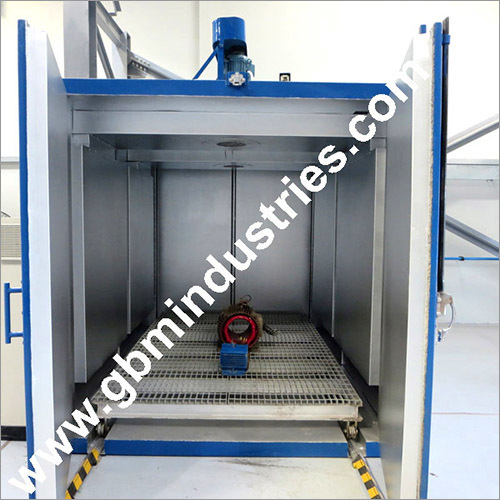
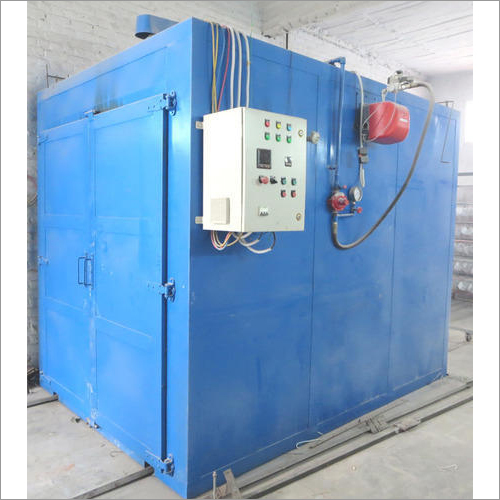
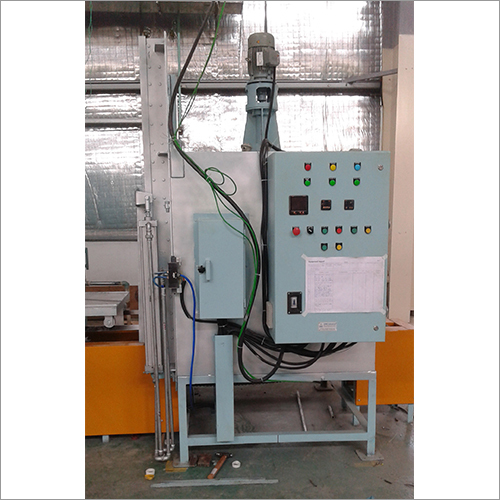
We offer Oil Fired Ovens, which suffice as the direct radiant baking units. The stainless steel body of these heating units is coated with fire as well as heat resistant paint that keep the temperature at the modest level. This oven employs air as the highly efficient medium for heat in many industrial stuff as well as materials. The computer digital systems these are rendered with make use of a micro sensor that aid in the heat control. The energy basis is positioned inside the baking compartment. Based on the fuel utilized, these ovens may utilize the gas, electricity or oil. The ovens are particularly appropriate for baking products that need high temperatures. Oil Fired Ovens may also be employed for baking all varieties of cookies, crackers and biscuits.
Key Points of Oil Fired Ovens:
- These make use of the heat exchanger models to transmit energy from burners to the products. The baking compartment is circuitously heated from overhead as well as below by the thermal radiation made by high-temperature rows.
- These have comparable operation as well as heat transfer mechanisms to electric-fired ovens. Mainly suitable for the baking of products that need high temperatures.
- The ovens may also be employed for baking all varieties of cookies, crackers and biscuits. Rendered with highly efficient similar heat transfer mechanisms.
- These are primarily carried out by radiation attained from the electric resistances, hot surfaces and flames. These ovens are typically suited for biscuit as well as pizza production.
Product details
| Hourly Output | 120 kg |
| Machine Size | 1730x1500x2400 mm |
| Trays | 32/36 Trays 400x600 mm |
| Voltage | 220 V-380 V |
| Display | Analog,Digital |
| Model | GOT - 12 |
| Air-Flow Direction | Duel Air Flow |
| Max Temperature | 200 degree |
| Capacity | 500 kg |
This oil fired oven features top-grade stainless steel construction, coupled with a painted finish for enhanced durability in demanding manufacturing environments. Its flexible voltage range (220-380V) and electric power source enable it to fit seamlessly into varied industrial setups, promising consistent performance and user safety.
Versatile Applications Across IndustriesEngineered for diverse industrial use, this oven is ideal for processes requiring uniform heating and reliable temperature control. Its robust design and oil-fired operation make it suitable for sectors such as automotive, food processing, and manufacturing, where consistent thermal output is crucial.
FAQ's of Oil Fired Oven:
Q: How does the oil fired oven operate with both oil and electric power sources?
A: This oil fired oven uses electric power to operate essential controls and auxiliaries, while oil functions as the primary heating medium. The electric system provides precise temperature management, and the oil burner generates consistent heat, making the oven suitable for intensive industrial applications.
Q: What are the main industrial uses of this oil fired oven?
A: The oven is designed for a range of industrial tasks such as baking, curing, annealing, and drying, catering to industries like automotive, food processing, and metalworking. Its flexible heating capabilities ensure efficient processing for different materials and manufacturing requirements.
Q: When should companies consider replacing their existing industrial oven with this model?
A: It is advisable to upgrade to this new oil fired oven when seeking improved energy efficiency, better temperature control, or when existing equipment is outdated and no longer meeting production standards. This model offers enhanced reliability and performance for modern industrial needs.
Q: Where is this oven manufactured and exported from?
A: This oil fired oven is manufactured, exported, and supplied from India, meeting stringent quality standards to ensure dependable performance for international industrial clients.
Q: What is the installation process for this oil fired oven?
A: Installation involves securely placing the oven at the desired industrial site, connecting it to a compatible voltage supply (220-380V), and setting up the oil burner system. Professional technicians should handle the process to ensure safety and optimal functionality.
Q: How is this oven maintained for long-term usage?
A: Routine maintenance includes regular cleaning of the interior and exterior, inspecting the oil burner and electric components, and conducting periodic safety checks. Following the manufacturer's maintenance guidelines ensures consistent and long-lasting performance.
Q: What are the key benefits of choosing this stainless steel oil fired oven?
A: Key advantages include durable stainless steel construction, efficient heating, flexible voltage compatibility, easy integration into existing industrial setups, and reliable performance under intensive use. Its new condition ensures minimal maintenance and higher operational efficiency.

 English
 Spanish
 French
 German
 Italian
 Chinese (Simplified)
 Japanese
 Korean
 Arabic
 Portuguese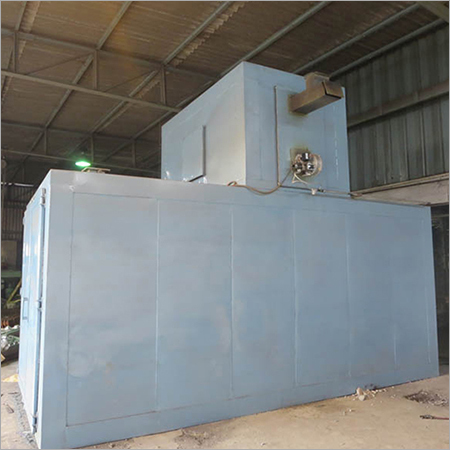

 Send Inquiry



 Send Inquiry
 Send Inquiry
 Send SMS
 Call Me Free
